Nails, Ridge & Flashing
The parts that get forgotten in the estimate and stop the job on the day.
The shingle bundles are the cheap part. The parts that make a roof watertight are sold separately, priced by the linear foot, and left off most estimates.
Drip edge
Metal L-flashing along every eave and every rake. The IRC has required it since 2012, and it is not optional at inspection.
It comes in 10 ft 6 in lengths and laps 2 inches at each joint, so a run of 10 ft 6 in of edge does not consume one length once you are past the first piece — count 10 ft 4 in of coverage per piece and add one.
Order of assembly matters and is routinely got wrong: at the eave, drip edge goes under the underlayment. At the rake, it goes over. Reverse it and water runs behind the fascia rather than off it.
Starter course
A dedicated product, with the sealant strip along the bottom edge where it can grab the first course of field shingles. Cut-up field shingles have the strip in the wrong place, and using them voids the wind warranty on most brands.
Sold in linear feet per bundle — usually 100 to 120 — and it runs along the eaves and, on most current specs, the rakes as well.
Hip and ridge cap
Also a separate product, and the one that most often runs short. A bundle covers 20 to 25 linear feet depending on the profile, and a hip roof has four hips plus the ridge to cover. Measure every hip; the ridge alone is half the number on most houses.
Flashing
Step flashing at every wall-to-roof intersection, one piece per shingle course. Counter flashing above it. Pipe boots per penetration, and the rubber collar on a cheap boot is the first thing on a roof to fail — usually at year twelve, on a shingle rated for thirty.
Nails
An 11 or 12 gauge, 3/8 in head roofing nail, long enough to penetrate the deck by 3/4 in or fully through the sheathing, whichever is less. Four nails per shingle in the field, six in high-wind zones and on steep slopes. That is roughly 320 nails per square at four, 480 at six — and about 2,000 nails to the 50 lb box.
The line to check before ordering
Whether the ridge is vented. A vented ridge changes both the cap count and the cut, and it is a decision that has to be made before the material list, not after the tear-off.
6 articles
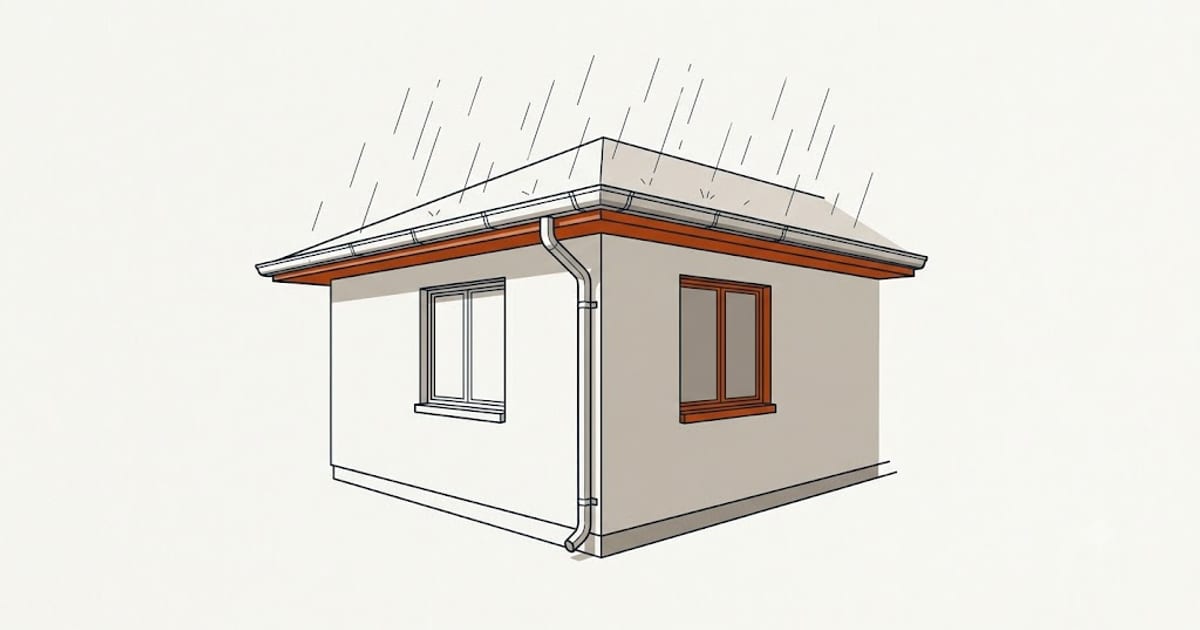 Gutter Replacement Cost: $6–$12 per Foot for Seamless Aluminum, About $1,200–$2,400 for a Ranch House
Gutters are priced by the linear foot of eave they run along. A single-story ranch needs about 126 feet, which puts seamless aluminum with removal and downspouts at roughly $1,200–$2,400.
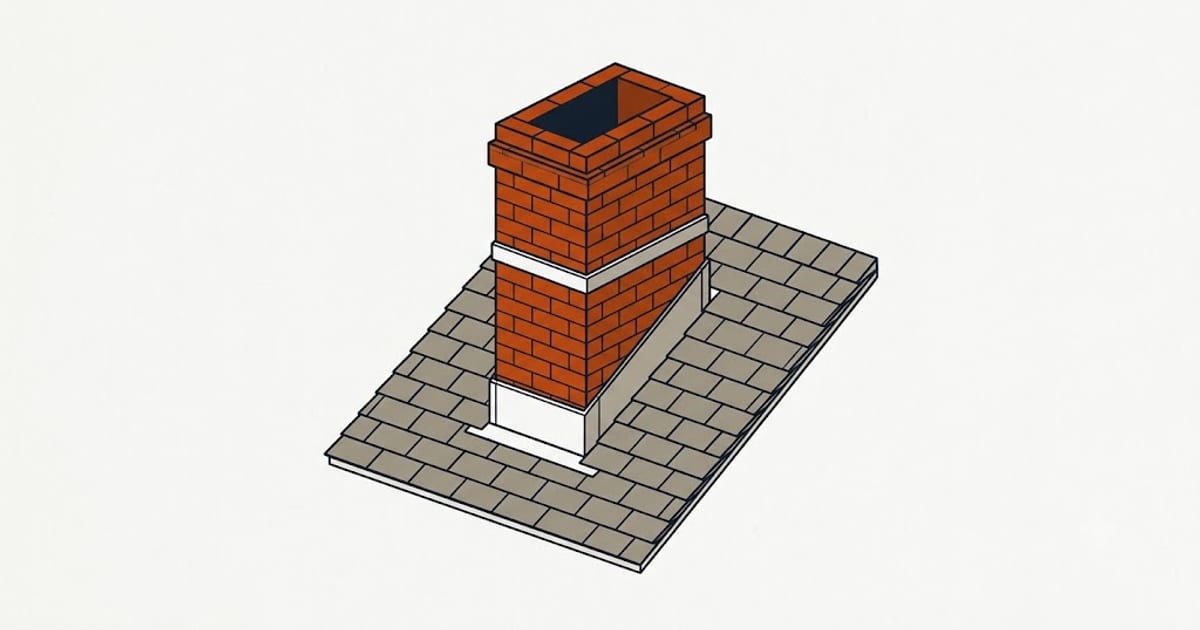 Roof Flashing Replacement Cost: $300–$800 per Location, $200–$300 to Reseal
Flashing is priced per location, not per square. Replacing it around one chimney or skylight usually runs $300–$800, and the chimney is where quotes climb, because the masonry is part of the job.
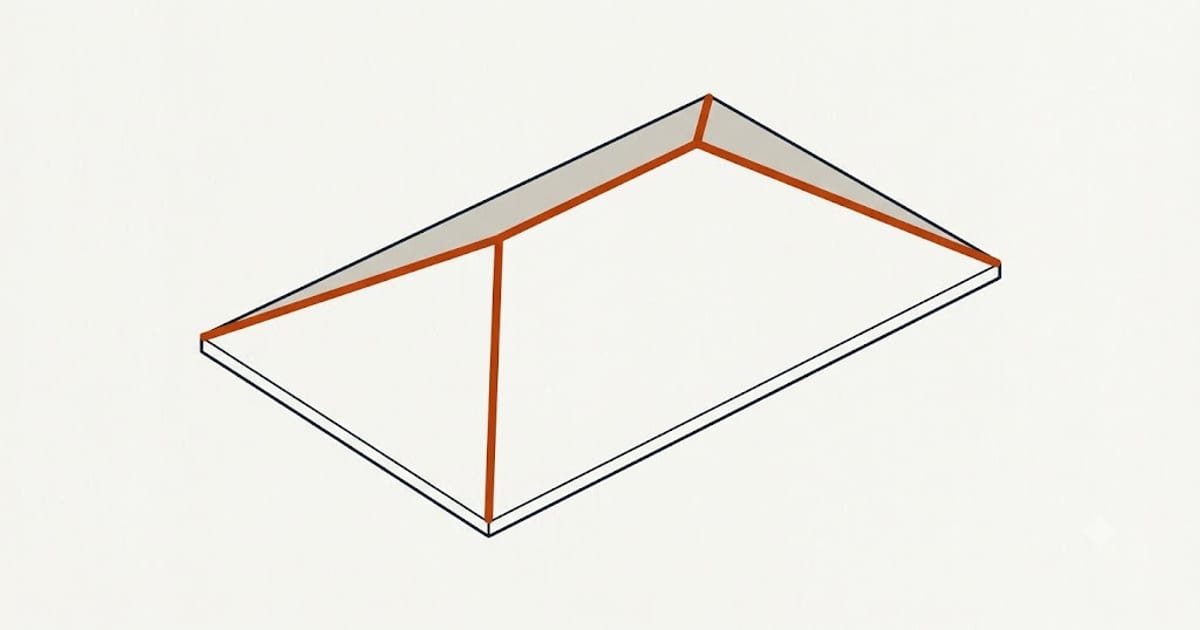 Ridge Cap Shingles: Coverage per Bundle, and Why You Measure Hips Too
Ridge cap is sold in linear feet, not squares, and the number people get wrong is not the ridge — it is the hips.
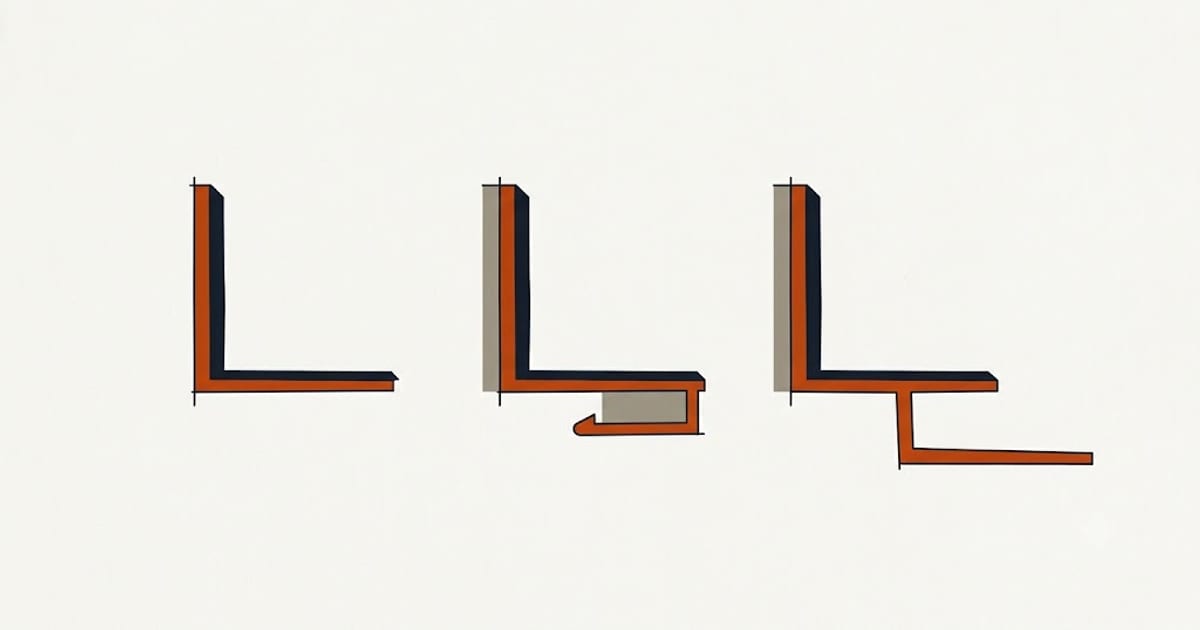 Drip Edge: How Much You Need, Which Type Goes Where, and What It Costs
Drip edge is cheap, required by code, and the piece most likely to be left off a re-roof quote. The length is easy; the type is where people go wrong.
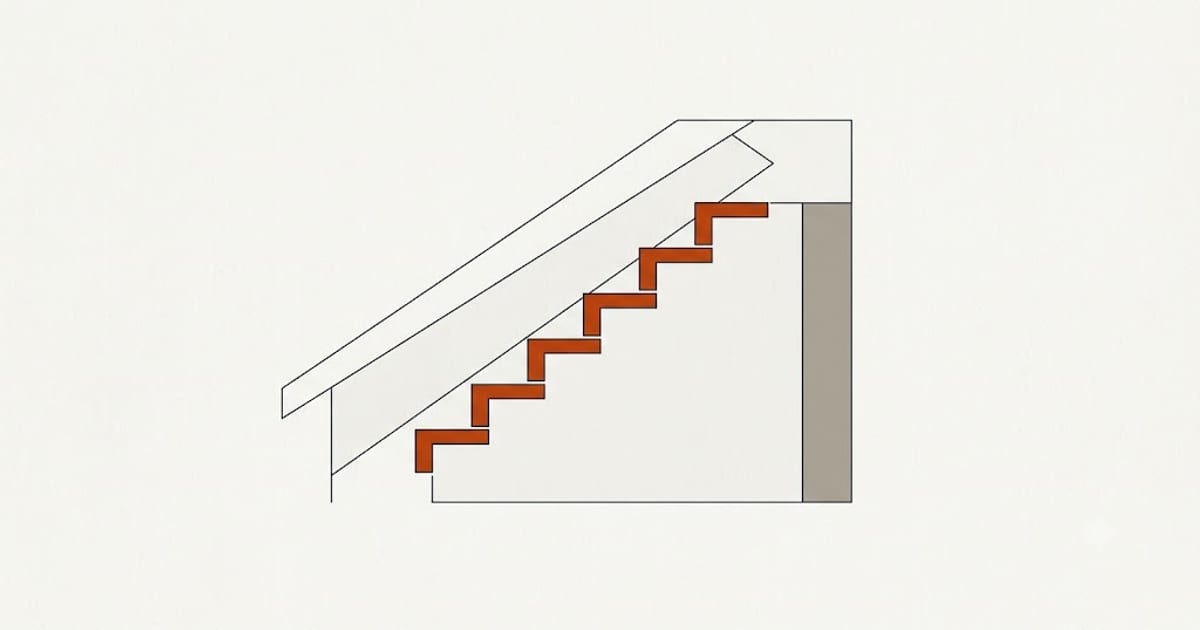 Step Flashing: How Many Pieces, and Why Continuous Flashing Fails
One piece per shingle course. The count is arithmetic — the part worth knowing is why the cheaper alternative leaks.
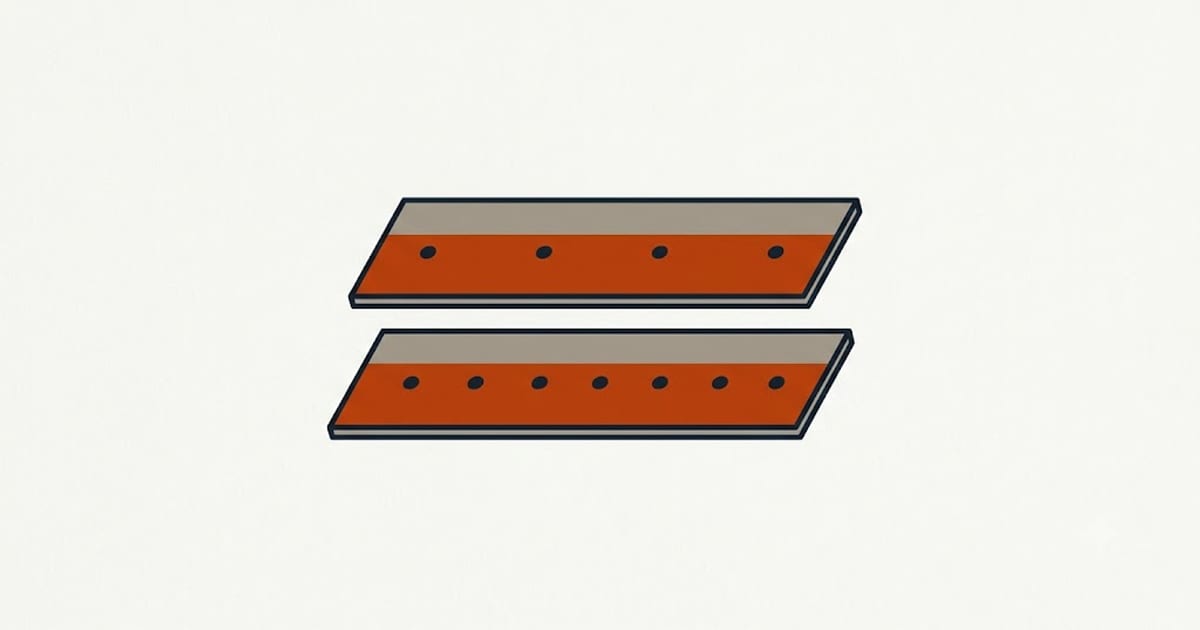 How Many Roofing Nails per Square: Four, Six, and the Wind Rating in Between
Four nails per shingle is 320 per square. Six is 480. Which one you need is decided by wind zone and pitch, not by preference.