Underlayment & Ice Barrier
Rolls, coverage and where code requires ice-and-water shield.
Underlayment is the layer nobody sees and the layer that decides whether a wind-lifted shingle costs a repair or a ceiling.
It is sold two ways, and they are not the same product with different names.
Felt against synthetic
Asphalt-saturated felt — #15 and #30 — comes in 4-square and 2-square rolls. It is cheap, it tears when wet, it wrinkles when it takes on moisture, and those wrinkles telegraph through the finished shingle on a hot day.
Synthetic — woven polypropylene — comes in 10-square rolls, weighs about a fifth as much, does not absorb water, and stays walkable when damp. It costs roughly two to three times as much per square and covers five times the area per roll, which is why the labor line usually swallows the material difference.
Coverage is where the two diverge in an estimate. A #30 felt roll covers 2 squares before the 2-inch head lap and 4-inch side lap take their cut — call it 1.7 squares in practice. Synthetic laps are printed on the sheet and lose proportionally less.
Ice barrier is a separate product and a code requirement
Self-adhering polymer-modified bitumen — "ice and water shield" — is not underlayment with better glue. It seals around the fastener that punctures it, which is the entire point.
The IRC requires it in regions with a history of ice damming, and it must run from the eave edge to a line 24 inches inside the exterior wall line, measured along the slope. On a low-slope roof with a deep overhang, that is often two courses, not one, and the second course is the one left off every estimate.
Valleys, and any penetration a roof will ever have, are the other places it belongs whether or not code names them.
The number that catches people
The eave-to-wall-line rule is measured along the slope, not horizontally. On a 12/12 roof, 24 inches inside the wall line horizontally is 34 inches of membrane. Ordering by the horizontal figure comes up a third short.
What to check on site
Whether the deck is dry. Every one of these products is rated over a dry deck, and the warranty language says so explicitly. Rolling underlayment over sheathing that got rained on is how a roof grows mold under a perfectly good shingle.
4 articles
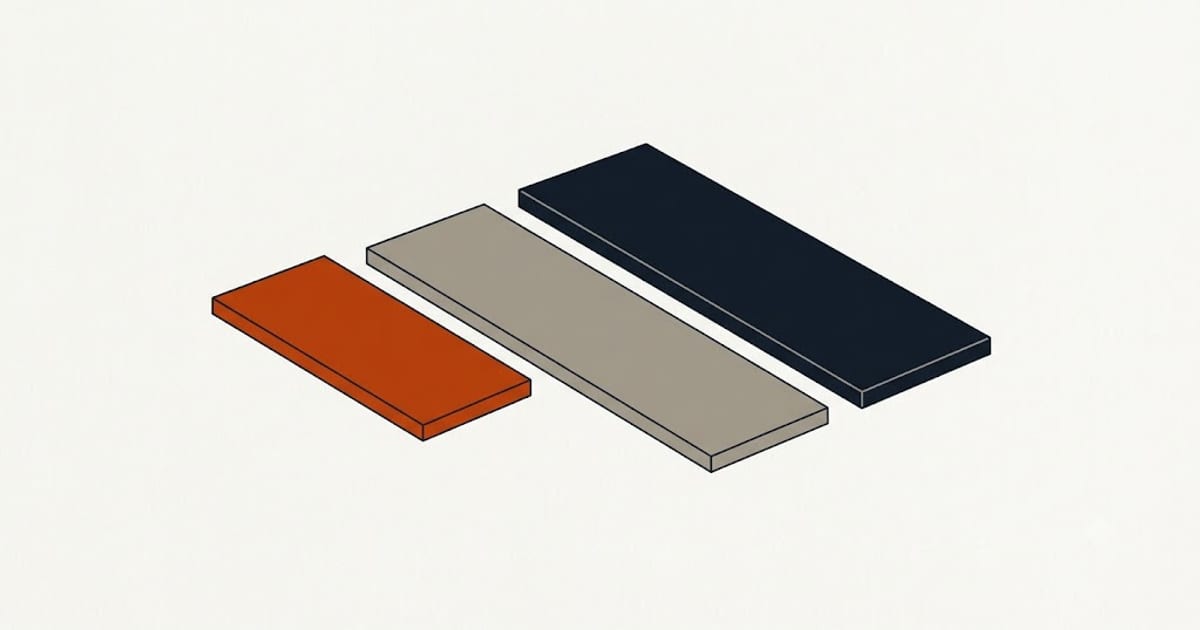 Roof Underlayment Cost per Square — Felt, Synthetic and Ice Barrier
Underlayment is two to five percent of a roof job. It is also the layer that decides what happens in the days between tear-off and shingles.
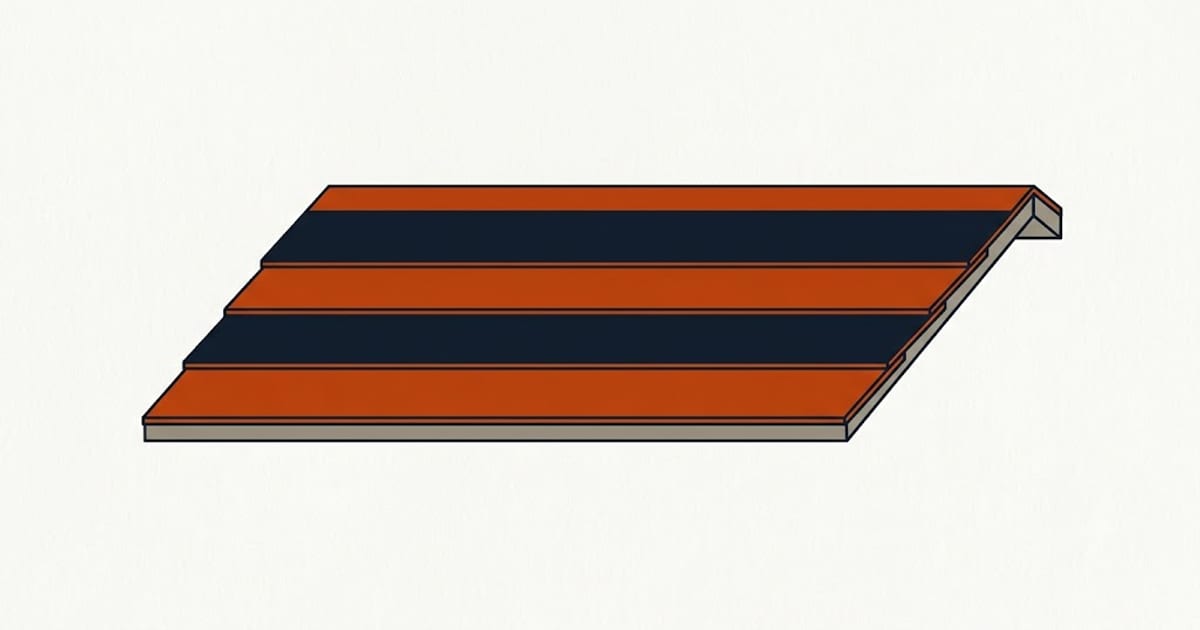 How Much Underlayment for a Roof: Roll Coverage, Laps, and the Pitch That Doubles It
A roll says four squares on the label. It covers four squares only if you never lap it, which you cannot.
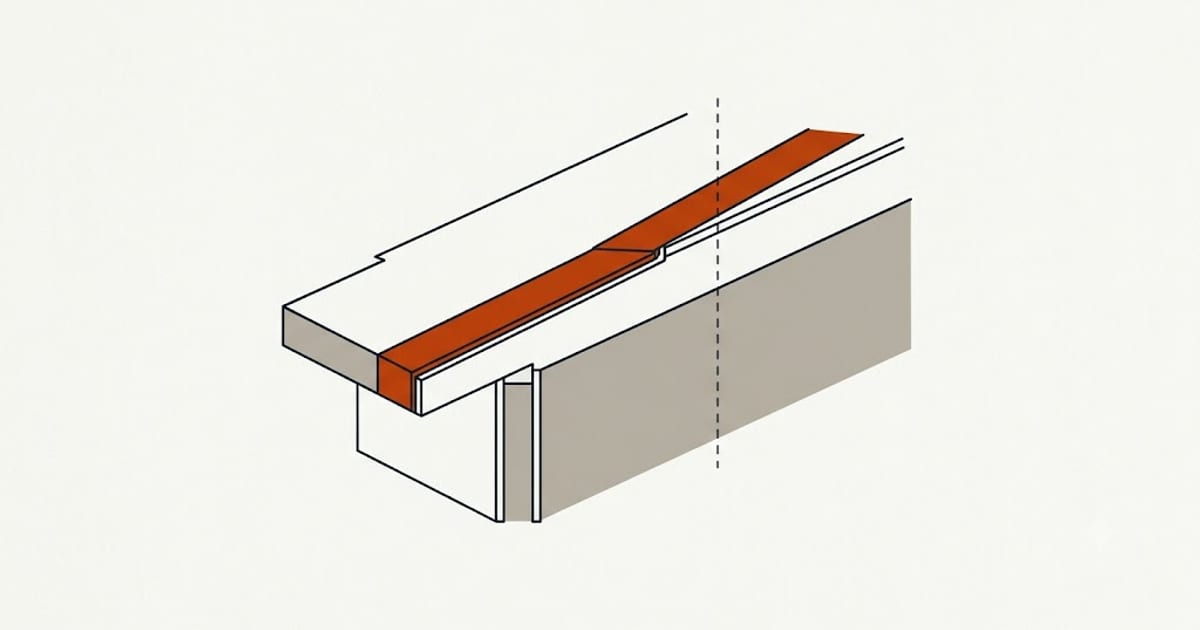 Ice and Water Shield: Where Code Requires It, and Where It Is Worth It Anyway
The code requirement is measured from the inside face of the exterior wall, not from the edge of the roof. On a deep overhang that is two courses, not one.
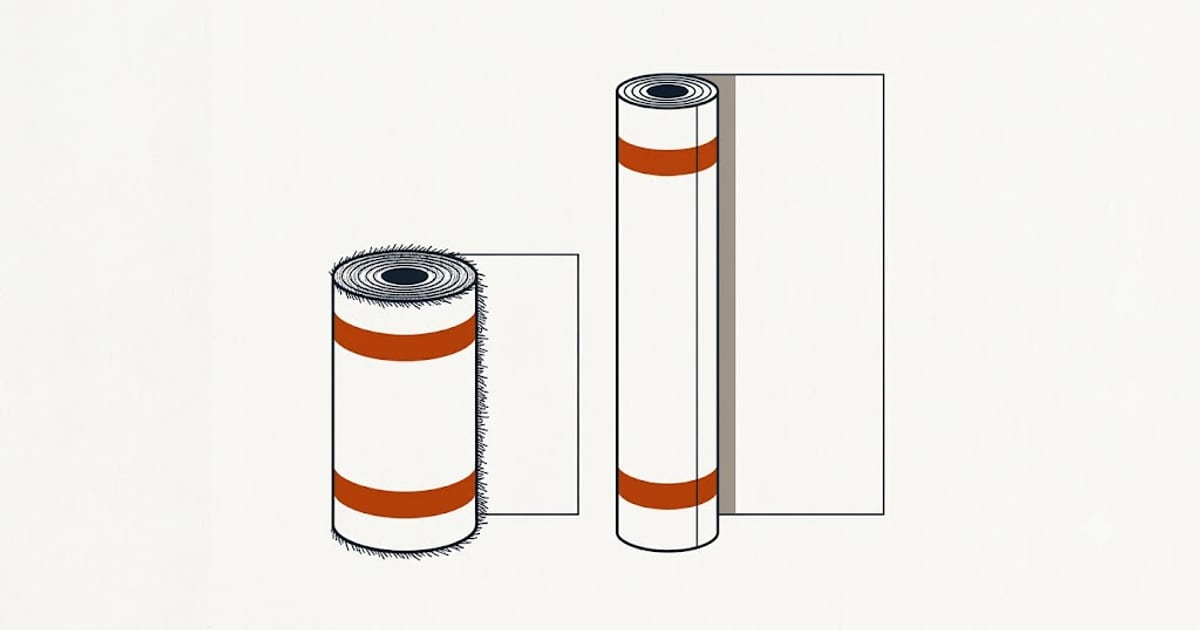 Synthetic or Felt Underlayment: Coverage per Roll, Real Cost, and Where Felt Still Wins
Synthetic costs two to three times more per square and usually costs less per roof. The reason is in the coverage after laps, not in the price on the roll.